
C++利用开散列哈希表封装unordered
C++利用开散列哈希表封装unordered_set,unordered_map
- 一.前言
- 1.开散列的哈希表完整代码
- 二.模板参数
- 1.HashNode的改造
- 2.封装unordered_set和unordered_map的第一步
- 1.unordered_set
- 2.unordered_map
- 3.HashTable
- 三.string的哈希函数的模板特化
- 四.迭代器类
- 1.operator++运算符重载
- 1.动图演示+分析
- 2.需要哈希表的地址,怎么办?
- 1.解决双向依赖问题
- 2.解决私有成员问题
- 2.const迭代器的问题
- 3.迭代器类的定义
- 4.迭代器类的完善
- 1.解引用和== !=
- 1.解引用
- 2.== !=
- 2.operator++
- 3.迭代器类的完整代码
- 五.哈希表的修改
- 1.begin和end
- 2.insert
- 3.find
- 4.哈希表的完整代码
- 六.unordered_set的完整代码
- 七.unordered_map的完整代码
- 八.test.cpp
一.前言
1.之前我们已经实现了开散列的哈希表,今天我们来用它封装unordered_set,unordered_map
2.本文的封装比利用红黑树封装set和map更加复杂
建议大家先去看我的红黑树封装set和map再来看本文
因为有很多地方跟红黑树封装set和map时是同样的思路和方法,所以本文不会太去赘述一遍
1.开散列的哈希表完整代码
namespace hash_bucket
{
	//HashFunc
	template
	//整型的哈希函数
	struct HashFunc
	{
		size_t operator()(const K& key)
		{
			return (size_t)key;
		}
	};
	//HashFunc
	//string的哈希函数
	template
	struct HashFunc
	{
		size_t operator()(const string& key)
		{
			// BKDR
			size_t hash = 0;
			for (auto e : key)
			{
				hash *= 131;
				hash += e;
			}
			return hash;
		}
	};
	template
	struct HashNode
	{
		HashNode* _next;
		pair _kv;
		HashNode(const pair& kv)
			:_kv(kv)
			, _next(nullptr)
		{}
	};
	template
	class HashTable
	{
		typedef HashNode Node;
	public:
		HashTable()
		{
			_tables.resize(10);
		}
		~HashTable()
		{
			for (int i = 0; i _next;
					delete cur;
					cur = next;
				}
				_tables[i] = nullptr;
			}
		}
		bool Insert(const pair& kv)
		{
			//先查找在不在
			//如果在,返回false,插入失败
			if (Find(kv.first))
			{
				return false;
			}
			//扩容
			if (_n == _tables.size())
			{
				//开辟新的哈希表
				HashTable newtable;
				int newcapacity = _tables.size() * 2;
				//扩2倍
				newtable._tables.resize(newcapacity);
				//转移数据
				for (int i = 0; i _next;
						int hashi = hash(cur->_kv.first) % newtable._tables.size();
						cur->_next = newtable._tables[hashi];
						newtable._tables[hashi] = cur;
						cur = next;
					}
					//防止出现野指针导致重复析构...
					_tables[i] = nullptr;
				}
				//交换两个vector,从而做到交换两个哈希表
				//通过学习vector的模拟实现,我们知道vector进行交换时只交换first,finish,end_of_storage
				_tables.swap(newtable._tables);
			}
			//1.利用哈希函数计算需要插入到那个桶里面
			int hashi = hash(kv.first) % _tables.size();
			//头插
			Node* newnode = new Node(kv);
			newnode->_next = _tables[hashi];
			_tables[hashi] = newnode;
			++_n;
			return true;
		}
		Node* Find(const K& key)
		{
			int hashi = hash(key) % _tables.size();
			Node* cur = _tables[hashi];
			while (cur)
			{
				if (cur->_kv.first == key)
				{
					return cur;
				}
				cur = cur->_next;
			}
			return nullptr;
		}
		bool Erase(const K& key)
		{
			int hashi = hash(key) % _tables.size();
			Node* cur = _tables[hashi], * prev = nullptr;
			while (cur)
			{
				if (cur->_kv.first == key)
				{
					if (cur == _tables[hashi])
					{
						_tables[hashi] = cur->_next;
					}
					else
					{
						prev->_next = cur->_next;
					}
					return true;
				}
				prev = cur;
				cur = cur->_next;
			}
			return false;
		}
	private:
		//哈希表是一个指针数组
		vector _tables;
		size_t _n = 0;
		Hash hash;
	};
}
二.模板参数
1.HashNode的改造
因为unordered_set是Key模型的容器
unordered_map是Key-Value模型的容器,所以需要对节点结构体进行改造
template
struct HashNode
{
	HashNode* _next;
	V _kv;
	HashNode(const V& kv)
		:_kv(kv)
		, _next(nullptr)
	{}
};
2.封装unordered_set和unordered_map的第一步
1.对于模板参数V:
如果是unordered_set:传入底层哈希表的就是Key,Key
如果是unordered_map:传入底层哈希表的就是Key,pair
2.为了取出关键字Key,需要传入仿函数
如果是unordered_set:仿函数返回Key
如果是unordered_map:仿函数返回pair的first
3.哈希函数需要传给unordered_set和unordered_map
由unordered_set和unordered_map传给底层的哈希表
1.unordered_set
namespace hash_bucket
{
	template
	class unordered_set
	{
		struct SetofKey
		{
			const K& operator()(const K& k)
			{
				return k;
			}
		};
	private:
		HashTable _ht;
	};
}
2.unordered_map
namespace hash_bucket
{
	template
	class unordered_map
	{
		struct MapofKey
		{
			const K& operator()(const pair& k)
			{
				return k.first;
			}
		};
	private:
		HashTable _ht;
	};
}
3.HashTable
哈希表增加模板参数
1.K:就是关键字
2.V:就是具体存放的数据类型(unordered_set就是Key , unordered_map就是pair)
3.KeyofT:不同容器传入的取出其关键字的仿函数
如果是unordered_set:仿函数返回Key
如果是unordered_map:仿函数返回pair的first
4.Hash:仿函数,哈希函数,用于计算下标的
template
class HashTable
{
......
private:
	//哈希表是一个指针数组
	vector _tables;
	size_t _n = 0;
	Hash hash;//哈希函数的仿函数对象
	KeyofT _kot;//KeyofT的仿函数对象
};
三.string的哈希函数的模板特化
因为string类型的哈希映射太常用了,
所以这里使用了模板特化,以免每次要存放string时都要指名传入string的哈希函数
//HashFunc
template
//整型的哈希函数
struct HashFunc
{
	size_t operator()(const K& key)
	{
		return (size_t)key;
	}
};
//HashFunc
//string的哈希函数
template
struct HashFunc
{
	size_t operator()(const string& key)
	{
		// BKDR
		size_t hash = 0;
		for (auto e : key)
		{
			hash *= 131;
			hash += e;
		}
		return hash;
	}
};
四.迭代器类
1.这里的哈希表只支持正向迭代器,不支持反向迭代器
1.operator++运算符重载
1.动图演示+分析
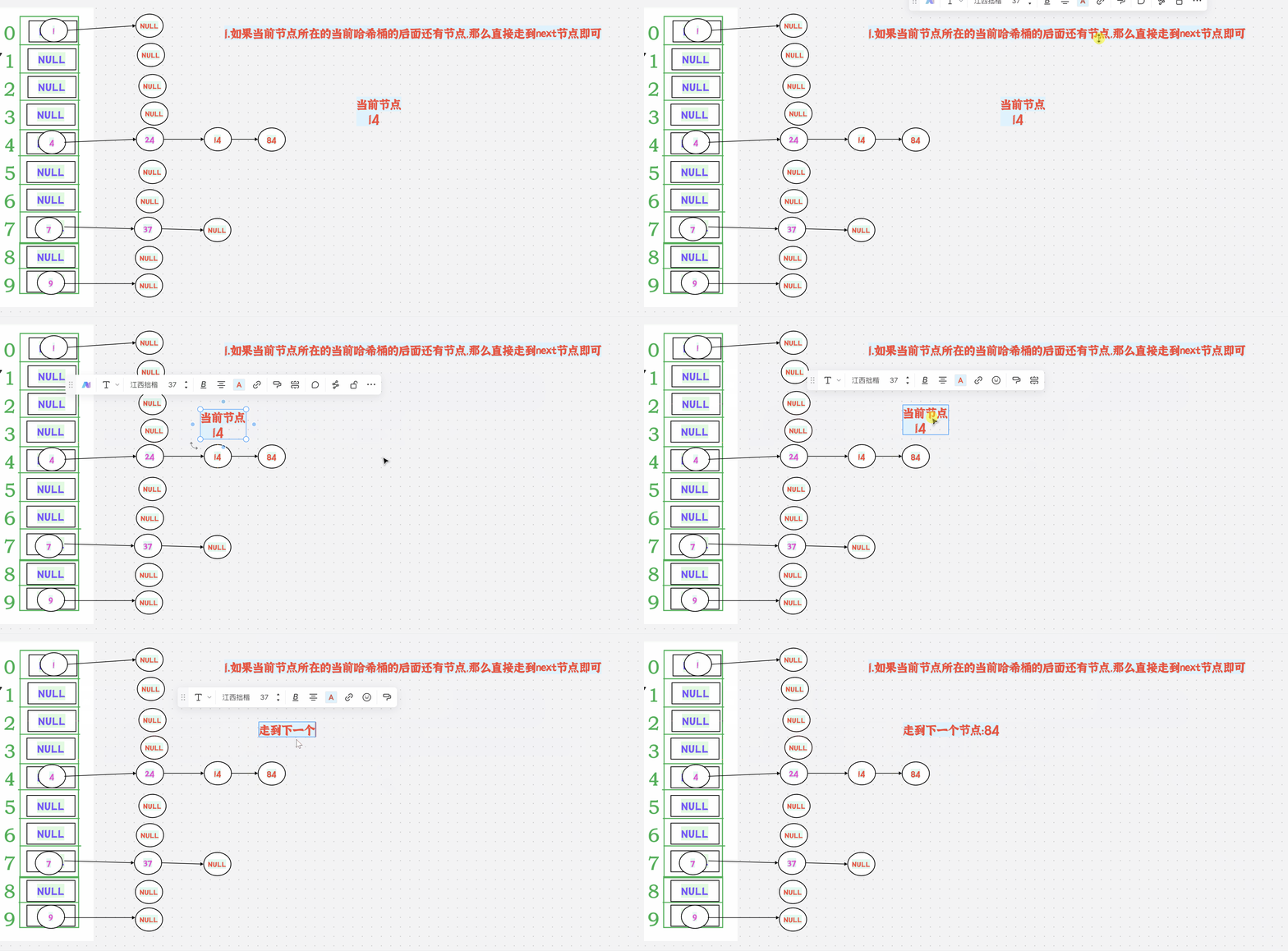
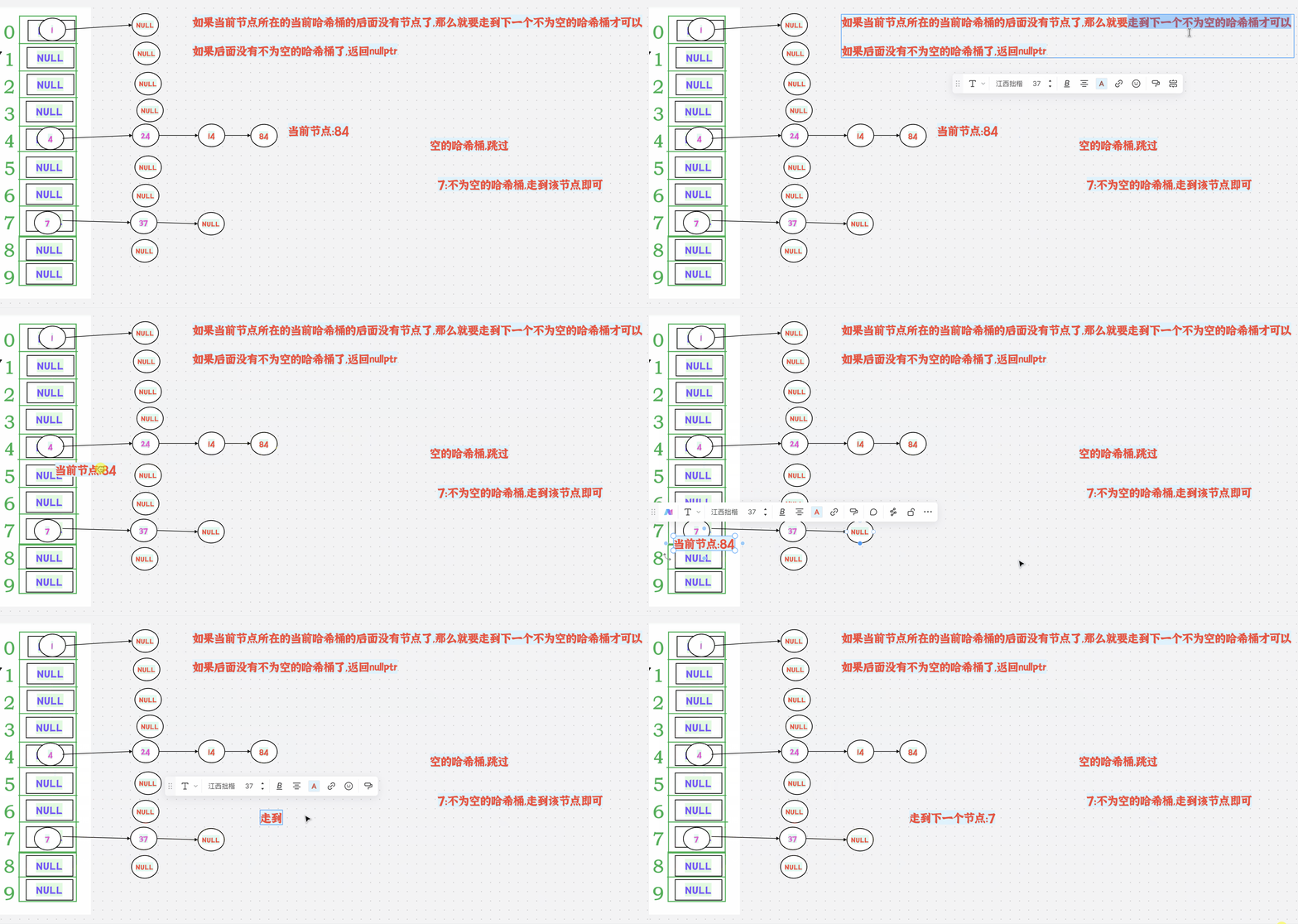
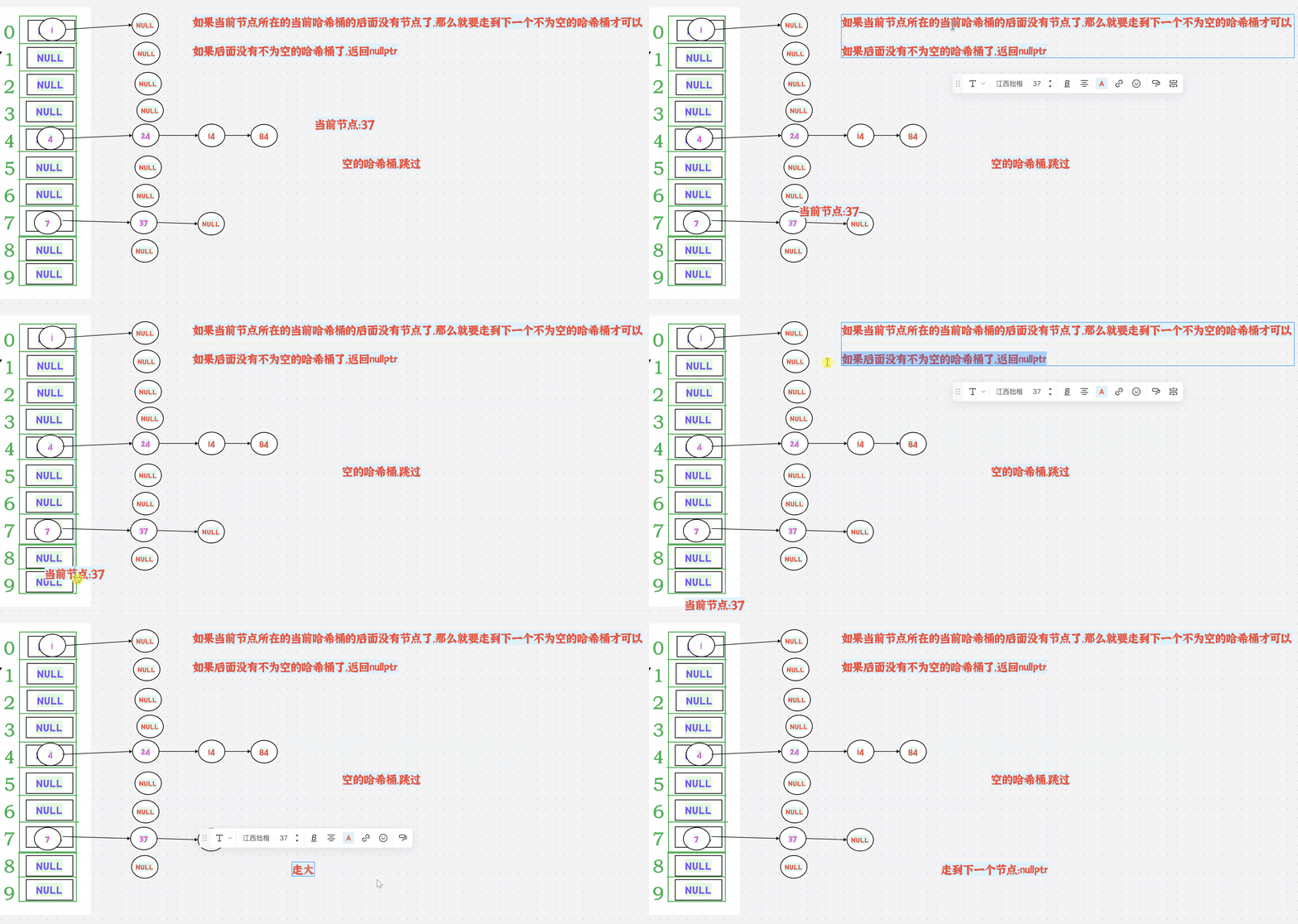
++有2种情况:
1.如果当前节点所在的当前哈希桶的后面还有节点,那么直接走到next节点即可
如果当前节点所在的当前哈希桶的后面没有节点了,那么就要走到下一个不为空的哈希桶才可以
如果后面没有不为空的哈希桶了,返回nullptr
2.需要哈希表的地址,怎么办?
我们可以在迭代器里面加入一个哈希表的指针,要求你给我传入你这个哈希表的地址,让我找到你这个哈希表(其实也可以加入一个vector的指针,这样就不用传入哈希表指针了,这里以传入哈希表指针来演示,为了介绍如何解决双向依赖问题和友元声明问题)
同时也可以加入一个_hashi代表当前迭代器位于哈希表当中的下标
不过我们发现:
此时出现了一种鸡生蛋,蛋生鸡的双向依赖问题了
我们的迭代器有一个成员:哈希表的指针
哈希表有一个typedef后的类型:迭代器
我们之前的vector,list,set,map的迭代器都是单向依赖关系
只存在容器依赖迭代器而已,可是这里容器和迭代器双向依赖啊,怎么办呢?
1.解决双向依赖问题
我们可以将哈希表前置声明一下
//HashTable的前置声明
template
	class HashTable;
template
struct __HashIterator
{....}
2.解决私有成员问题
不过我们注意到:我们的迭代器类里面只有哈希表的指针
属于哈希表的外部,而哈希表的vector数组是它的私有成员,我们在迭代器类里面是无法访问的
怎么办呢?
1.在哈希表当中加一个getTable函数,让外界能够获取到内部的vector
2.将迭代器类在哈希表当中进行友元声明
template
class HashTable
{
	typedef HashNode Node;
	template
	friend struct __HashIterator;
注意:类模板的友元声明时需要加上template
2.const迭代器的问题
为了解决unordered_map的[]与const迭代器问题
我们在迭代器类里面给了三个重载版本的构造函数
template
struct __HashIterator
{
	typedef HashNode Node;
	Node* _node;
	const HashTable* _pht;
	size_t _hashi;//当前迭代器位于哈希表当中的下标
	typedef __HashIterator Self;
	typedef __HashIterator iterator;
public:
	__HashIterator(Node* node, HashTable* pht,size_t hashi)
		:_node(node)
		,_pht(pht)
		,_hashi(hashi)
	{}
	__HashIterator(Node* node,const HashTable* pht, size_t hashi)
		:_node(node)
		, _pht(pht)
		, _hashi(hashi)
	{}
	__HashIterator(const iterator& it)
		:_node(it._node)
		,_pht(it._pht)
		,_hashi(it._hashi)
	{}
....
};
3.迭代器类的定义
//HashTable的前置声明
template
	class HashTable;
template
struct __HashIterator
{
	typedef HashNode Node;
	Node* _node;
	const HashTable* _pht;
	size_t _hashi;//当前迭代器位于哈希表当中的下标
	typedef __HashIterator Self;
	typedef __HashIterator iterator;
public:
	__HashIterator(Node* node, HashTable* pht,size_t hashi)
		:_node(node)
		,_pht(pht)
		,_hashi(hashi)
	{}
	__HashIterator(Node* node,const HashTable* pht, size_t hashi)
		:_node(node)
		, _pht(pht)
		, _hashi(hashi)
	{}
	__HashIterator(const iterator& it)
		:_node(it._node)
		,_pht(it._pht)
		,_hashi(it._hashi)
	{}
	bool operator==(const Self& s);
	bool operator!=(const Self& s);
	Ref operator*();
	Ptr operator->();
	Self& operator++();
};
4.迭代器类的完善
1.解引用和== !=
1.解引用
注意:解引用返回的是当前位置的Value,也就是节点指针里面的值
我们回顾一下节点结构体的定义
_kv这个数据才是真正的Value,因此解引用返回_kv
template
struct HashNode
{
	HashNode* _next;
	V _kv;
	HashNode(const V& kv)
		:_kv(kv)
		, _next(nullptr)
	{}
};
Ref operator*() { return _node->_kv; } Ptr operator->() { return &_node->_kv; }2.== !=
关于比较,跟list迭代器一样,比较节点指针的值,而不是迭代器本身的值
bool operator==(const Self& s)
{
	return _node == s._node;
}
bool operator!=(const Self& s)
{
	return _node != s._node;
}
2.operator++
看过刚才operator++的动图演示+分析之后,我们就能很好地写出operator++来了
Self& operator++()
{
	//当前哈希桶的当前节点后面还有数据,往后走即可
	if (_node->_next)
	{
		_node = _node->_next;
	}
	//当前哈希桶的当前节点后面没有数据了,去找下一个不为空的哈希桶
	else
	{
		++_hashi;
		while (_hashi _tables.size())
		{
			if (_pht->_tables[_hashi])
			{
				_node = _pht->_tables[_hashi];
				break;
			}
			_hashi++;
		}
		//说明找不到不为空的哈希桶了,也就是说到末尾了
		if (_hashi == _pht->_tables.size())
		{
			_node = nullptr;
		}
	}
	return *this;
}
注意:
我们这里的哈希桶是单链表,因此并不支持双向遍历,也就不支持反向迭代器,所以没有实现operator–的重载
3.迭代器类的完整代码
template
class HashTable;
template
struct __HashIterator
{
	typedef HashNode Node;
	Node* _node;
	const HashTable* _pht;
	size_t _hashi;//当前迭代器位于哈希表当中的下标
	typedef __HashIterator Self;
	typedef __HashIterator iterator;
public:
	__HashIterator(Node* node, HashTable* pht,size_t hashi)
		:_node(node)
		,_pht(pht)
		,_hashi(hashi)
	{}
	__HashIterator(Node* node,const HashTable* pht, size_t hashi)
		:_node(node)
		, _pht(pht)
		, _hashi(hashi)
	{}
	__HashIterator(const iterator& it)
		:_node(it._node)
		,_pht(it._pht)
		,_hashi(it._hashi)
	{}
	bool operator==(const Self& s)
	{
		return _node == s._node;
	}
	bool operator!=(const Self& s)
	{
		return _node != s._node;
	}
	Ref operator*()
	{
		return _node->_kv;
	}
	Ptr operator->()
	{
		return &_node->_kv;
	}
	Self& operator++()
	{
		//当前哈希桶的当前节点后面还有数据,往后走即可
		if (_node->_next)
		{
			_node = _node->_next;
		}
		//当前哈希桶的当前节点后面没有数据了,去找下一个不为空的哈希桶
		else
		{
			++_hashi;
			while (_hashi _tables.size())
			{
				if (_pht->_tables[_hashi])
				{
					_node = _pht->_tables[_hashi];
					break;
				}
				_hashi++;
			}
			//说明找不到不为空的哈希桶了,也就是说到末尾了
			if (_hashi == _pht->_tables.size())
			{
				_node = nullptr;
			}
		}
		return *this;
	}
};
五.哈希表的修改
1.begin和end
实现迭代器类之后,我们在哈希表里面增加begin和end
begin就是返回第一个不为空的哈希桶的节点构造出的迭代器
end直接用nullptr来构造即可
注意:如何传入哈希表指针呢? 不要忘了this指针
public: typedef __HashIterator iterator; typedef __HashIterator const_iterator; iterator begin() { for (int i = 0; i2.insert
1.这里需要使用KeyofT类型的仿函数对象_kot来取出关键字Key
用关键字Key进行哈希映射,如何进行哈希映射呢?
使用Hash类型的仿函数对象hash即可
所以需要嵌套使用仿函数对象
我们把_kot,hash这两个仿函数对象定义成成员变量了,所以直接使用即可
2.我们只需要修改返回值,哈希映射逻辑,查找方法即可
我们要将insert的返回值修改为pair
如果有重复元素,返回重复元素所对应的节点构造出的迭代器
如果没有重复元素,返回新插入节点构造出的迭代器
pair Insert(const V& kv) { //先查找在不在 //如果在,返回false,插入失败 iterator it = Find(_kot(kv)); if (it != end()) { return make_pair(it, false); } //扩容 if (_n == _tables.size()) { //开辟新的哈希表 HashTable newtable; int newcapacity = _tables.size() * 2; //扩2倍 newtable._tables.resize(newcapacity); //转移数据 for (int i = 0; i _next; int hashi = hash(_kot(cur->_kv)) % newtable._tables.size(); cur->_next = newtable._tables[hashi]; newtable._tables[hashi] = cur; cur = next; } //防止出现野指针导致重复析构... _tables[i] = nullptr; } //交换两个vector,从而做到交换两个哈希表 //通过学习vector的模拟实现,我们知道vector进行交换时只交换first,finish,end_of_storage _tables.swap(newtable._tables); } //1.利用哈希函数计算需要插入到那个桶里面 int hashi = hash(_kot(kv)) % _tables.size(); //头插 Node* newnode = new Node(kv); newnode->_next = _tables[hashi]; _tables[hashi] = newnode; ++_n; return make_pair(iterator(newnode, this, hashi),true); }3.find
对于find我们只需要修改返回值即可
对于find和erase,我们无需通过_kot取出关键字,因为find和erase的参数类型就是K,就是关键字
而insert的类型是V,所以insert才需要_kot来取出关键字
erase的返回值依旧是bool,无需修改erase这个代码
iterator Find(const K& key) { int hashi = hash(key) % _tables.size(); Node* cur = _tables[hashi]; while (cur) { if (_kot(cur->_kv) == key) { return iterator(cur, this, hashi); } cur = cur->_next; } return end(); }对于构造和析构无需修改
4.哈希表的完整代码
#pragma once #include #include namespace hash_bucket { //HashFunc template //整型的哈希函数 struct HashFunc { size_t operator()(const K& key) { return (size_t)key; } }; //HashFunc //string的哈希函数 template struct HashFunc { size_t operator()(const string& key) { // BKDR size_t hash = 0; for (auto e : key) { hash *= 131; hash += e; } return hash; } }; template struct HashNode { HashNode* _next; V _kv; HashNode(const V& kv) :_kv(kv) , _next(nullptr) {} }; //template//类模板的声明当中不能给缺省值 template class HashTable; template struct __HashIterator { typedef HashNode Node; Node* _node; const HashTable* _pht; size_t _hashi;//当前迭代器位于哈希表当中的下标 typedef __HashIterator Self; typedef __HashIterator iterator; public: __HashIterator(Node* node, HashTable* pht,size_t hashi) :_node(node) ,_pht(pht) ,_hashi(hashi) {} __HashIterator(Node* node,const HashTable* pht, size_t hashi) :_node(node) , _pht(pht) , _hashi(hashi) {} __HashIterator(const iterator& it) :_node(it._node) ,_pht(it._pht) ,_hashi(it._hashi) {} bool operator==(const Self& s) { return _node == s._node; } bool operator!=(const Self& s) { return _node != s._node; } Ref operator*() { return _node->_kv; } Ptr operator->() { return &_node->_kv; } Self& operator++() { //当前哈希桶的当前节点后面还有数据,往后走即可 if (_node->_next) { _node = _node->_next; } //当前哈希桶的当前节点后面没有数据了,去找下一个不为空的哈希桶 else { ++_hashi; while (_hashi _tables.size()) { if (_pht->_tables[_hashi]) { _node = _pht->_tables[_hashi]; break; } _hashi++; } //说明找不到不为空的哈希桶了,也就是说到末尾了 if (_hashi == _pht->_tables.size()) { _node = nullptr; } } return *this; } }; template class HashTable { typedef HashNode Node; template//类模板的友元声明当中不能给缺省值 friend struct __HashIterator; public: typedef __HashIterator iterator; typedef __HashIterator const_iterator; iterator begin() { for (int i = 0; i _next; delete cur; cur = next; } _tables[i] = nullptr; } } pair Insert(const V& kv) { //先查找在不在 //如果在,返回false,插入失败 iterator it = Find(_kot(kv)); if (it != end()) { return make_pair(it, false); } //扩容 if (_n == _tables.size()) { //开辟新的哈希表 HashTable newtable; int newcapacity = _tables.size() * 2; //扩2倍 newtable._tables.resize(newcapacity); //转移数据 for (int i = 0; i _next; int hashi = hash(_kot(cur->_kv)) % newtable._tables.size(); cur->_next = newtable._tables[hashi]; newtable._tables[hashi] = cur; cur = next; } //防止出现野指针导致重复析构... _tables[i] = nullptr; } //交换两个vector,从而做到交换两个哈希表 //通过学习vector的模拟实现,我们知道vector进行交换时只交换first,finish,end_of_storage _tables.swap(newtable._tables); } //1.利用哈希函数计算需要插入到那个桶里面 int hashi = hash(_kot(kv)) % _tables.size(); //头插 Node* newnode = new Node(kv); newnode->_next = _tables[hashi]; _tables[hashi] = newnode; ++_n; return make_pair(iterator(newnode, this, hashi),true); } iterator Find(const K& key) { int hashi = hash(key) % _tables.size(); Node* cur = _tables[hashi]; while (cur) { if (_kot(cur->_kv) == key) { return iterator(cur, this, hashi); } cur = cur->_next; } return end(); } bool Erase(const K& key) { int hashi = hash(key) % _tables.size(); Node* cur = _tables[hashi], * prev = nullptr; while (cur) { if (_kot(cur->_kv) == key) { if (cur == _tables[hashi]) { _tables[hashi] = cur->_next; } else { prev->_next = cur->_next; } return true; } prev = cur; cur = cur->_next; } return false; } private: //哈希表是一个指针数组 vector _tables; size_t _n = 0; Hash hash; KeyofT _kot; }; }六.unordered_set的完整代码
unordered_set直接复用哈希表的接口即可
#pragma once namespace hash_bucket { template class unordered_set { struct SetofKey { const K& operator()(const K& k) { return k; } }; public: typedef typename HashTable::const_iterator iterator; typedef typename HashTable::const_iterator const_iterator; pair insert(const K& k) { return _ht.Insert(k); } iterator find(const K& k) { return _ht.Find(k); } bool erase(const K& k) { return _ht.Erase(k); } iterator begin() const { return _ht.begin(); } iterator end() const { return _ht.end(); } private: HashTable _ht; }; }七.unordered_map的完整代码
unordered_map直接复用哈希表的接口即可
#pragma once namespace hash_bucket { template class unordered_map { struct MapofKey { const K& operator()(const pair& k) { return k.first; } }; public: typedef typename HashTable::iterator iterator; typedef typename HashTable::const_iterator const_iterator; pair insert(const pair& k) { return _ht.Insert(k); } iterator find(const K& k) { return _ht.Find(k); } bool erase(const K& k) { return _ht.Erase(k); } iterator begin() { return _ht.begin(); } iterator end() { return _ht.end(); } const_iterator begin() const { return _ht.begin(); } const_iterator end() const { return _ht.end(); } V& operator[](const K& k) { pair ret = insert(make_pair(k, V())); return ret.first->second; } const V& operator[](const K& k) const { pair ret = insert(make_pair(k, V())); return ret.first->second; } private: HashTable _ht; }; }八.test.cpp
#include using namespace std; #include "HashTable.h" #include "MyUnOrdered_Set.h" #include "MyUnOrdered_Map.h" namespace hash_bucket { void test1() { unordered_set s; int a[] = { 4,14,24,34,5,7,1,15,25,3,13 }; for (auto e : a) { s.insert(e); } unordered_set::iterator it = s.begin(); while (it != s.end()) { //*it = 10;//不能改 cout cout //*cit = 10;//不能改 cout unordered_map 1,2,4,5,99,331,243 }; for (auto& e : a) { m.insert(make_pair(e, e)); } unordered_map //it-second = 999;//能改 //it-first = 999;//不能改 cout cout cout //cit-second = 999;//不能改 //cit-first = 999;//不能改 cout string arr[] = {"a","b","c","ab","ab","ab","kks","qdq"}; unordered_map ht[e]++; } unordered_map //it-second = 999;//能改 //it-first = 999;//不能改 cout hash_bucket::test1(); hash_bucket::test2(); hash_bucket::test3(); return 0; }


