
数据结构之栈与队列详解
温馨提示:这篇文章已超过387天没有更新,请注意相关的内容是否还可用!
文章目录
- 前言
- 一、栈
- 1.栈的概念及定义
- 2.栈的实现
- (1)栈的结构
- (2)StackInit(初始化)
- (3)StackPush(压栈)
- (4)StackPop(出栈)
- (5)StackTop(取栈顶的元素)
- (6)StackEmpty(检查栈是否为空)
- (7)StackDestroy(销毁栈)
- 3.完整代码
- (1)头文件
- (2)源文件
- 二、队列
- 1.队列的概念及定义
- 2.队列的实现
- (1)队列的结构
- (2)QueueInit(初始化)
- (3)QueuePush(入队)
- (4)QueuePop(出队)
- (5)QueueFront(获取头部元素)
- (6)QueueBack(获取尾部元素)
- (7)QueueEmpty(检查队列是否为空)
- 3.完整代码
- (1)头文件
- (2)源文件
- 结语
前言

栈和队列是一种特殊的线性结构,他与之前学的线性结构不同,栈和队列是拥有一种特殊规则的线性结构,虽然它是用数组或者链表实现,但是只有符合这种规则才能被称作栈或者队列
一、栈
1.栈的概念及定义
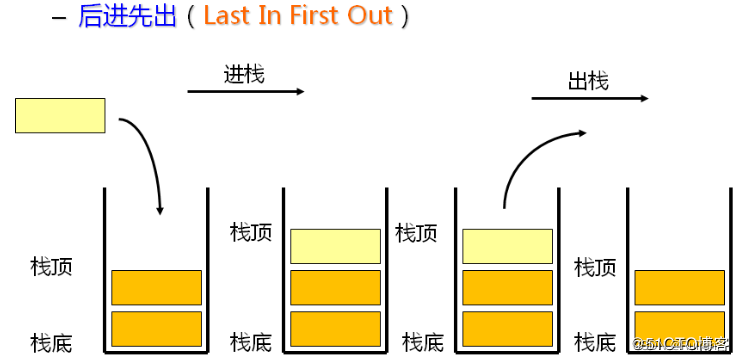
栈:一种特殊的线性表,其只允许在固定的一端进行插入和删除元素操作。进行数据插入和删除操作的一端称为栈顶,另一端称为栈底。栈中的数据元素遵守后进先出LIFO(Last In First Out)的原则。
压栈:栈的插入操作叫做进栈/压栈/入栈,入数据在栈顶。
出栈:栈的删除操作叫做出栈。出数据也在栈顶。
2.栈的实现
栈的实现有两种实现,但是我们可以想想栈的特点,后进先出,我们只对尾部操作,那么是不是用数组刚好合适,虽然用链表也可以,但是数组的尾插的损耗更加小一点,所以我这里就一数组来进行讲解
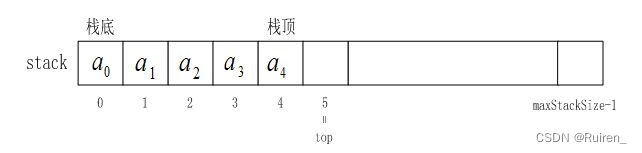
我这里用动态的数组来实现栈
(1)栈的结构
typedef int STDataType;//方便存储各种数据
typedef struct Stack
{
	STDataType* a;
	int top;//栈顶位置,如果等于capacity=0时为空
	int capacity;//容量
}ST;
(2)StackInit(初始化)
void StackInit(ST* ps)
{
	assert(ps);
	ps->a = NULL;
	ps->top = 0;//初始化时如果top是0,即top指向栈顶上的后一位,所以取出元素时需要减一
	ps->capacity = 0;
}
(3)StackPush(压栈)
void StackPush(ST* ps, STDataType x)
{
		assert(ps);
		if (ps->top == ps->capacity)
		{
			int newcapacity = ps->capacity == 0 ? 4: ps->capacity * 2;
			STDataType* temp = (STDataType * )realloc(ps->a, sizeof(STDataType)*newcapacity);
			if (temp == NULL)
			{
				printf("realloc fail\n");
				exit(-1);
			}
			ps->a = temp;
			ps->capacity = newcapacity;
		}
		ps->a[ps->top] = x;
		ps->top++;
}
这里的代码参考动态数组的实现
(4)StackPop(出栈)
void StackPop(ST* ps)
{
	assert(ps);
	assert(ps->top > 0);
	ps->top--;
}
(5)StackTop(取栈顶的元素)
STDataType StackTop(ST* ps)
{
	assert(ps);
	assert(ps->top > 0);
	return ps->a[ps->top - 1];//这里需要减一是因为top指向栈顶上的后一位,如果还不理解就看初始化代码
}
(6)StackEmpty(检查栈是否为空)
布尔类型的数据在c使用需要加stdbool头文件
bool StackEmpty(ST* ps)
{
	return ps->top == 0;
}
(7)StackDestroy(销毁栈)
void StackDestroy(ST* ps)
{
	assert(ps);
	free(ps->a);
	ps->a = NULL;
	ps->capacity = 0;
	ps->top = 0;
}
3.完整代码
(1)头文件
#pragma once
#include
#include
#include
#include
typedef int STDataType;
typedef struct Stack
{
	STDataType* a;
	int top;
	int capacity;
}ST;
void StackInit(ST* ps);
void StackDestroy(ST* ps);
void StackPush(ST* ps,STDataType x);
void StackPop(ST* ps);
STDataType StackTop(ST* ps);
bool StackEmpty(ST* ps);
(2)源文件
#include"Stack.h"
void StackInit(ST* ps)
{
	assert(ps);
	ps->a = NULL;
	ps->top = 0;//初始化时如果top是0,即top指向栈顶上的后一位
	ps->capacity = 0;
}
void StackDestroy(ST* ps)
{
	assert(ps);
	free(ps->a);
	ps->a = NULL;
	ps->capacity = 0;
	ps->top = 0;
}
void StackPush(ST* ps, STDataType x)
{
		assert(ps);
		if (ps->top == ps->capacity)
		{
			int newcapacity = ps->capacity == 0 ? 4: ps->capacity * 2;
			STDataType* temp = (STDataType * )realloc(ps->a, sizeof(STDataType)*newcapacity);
			if (temp == NULL)
			{
				printf("realloc fail\n");
				exit(-1);
			}
			ps->a = temp;
			ps->capacity = newcapacity;
		}
		ps->a[ps->top] = x;
		ps->top++;
}
void StackPop(ST* ps)
{
	assert(ps);
	assert(ps->top > 0);
	ps->top--;
}
STDataType StackTop(ST* ps)
{
	assert(ps);
	assert(ps->top > 0);
	return ps->a[ps->top - 1];
}
bool StackEmpty(ST* ps)
{
	return ps->top == 0;
}
至此,栈算是搞完了,接下来讲队列
二、队列
1.队列的概念及定义
队列:只允许在一端进行插入数据操作,在另一端进行删除数据操作的特殊线性表,队列具有先进先出FIFO(First In First Out) 入队列:进行插入操作的一端称为队尾 出队列:进行删除操作的一端称为队头

2.队列的实现
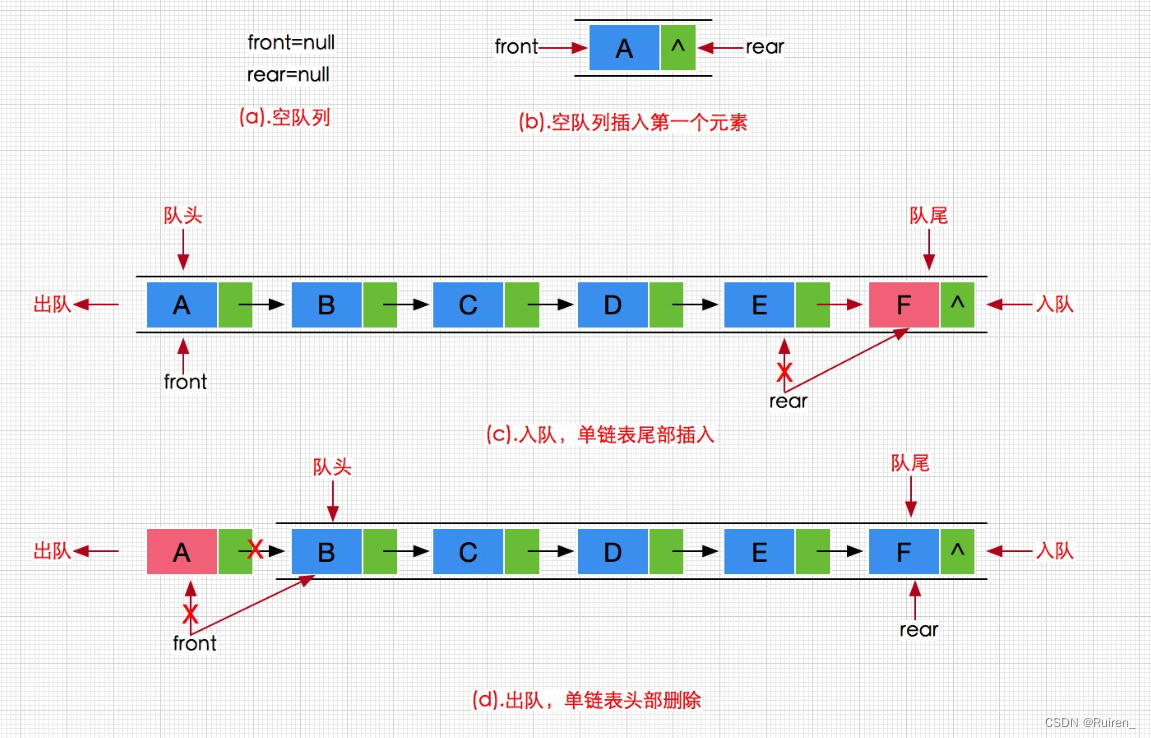
队列需要能够对头和尾操作,所以数组是不好实现的,我们用链表来实现
(1)队列的结构
队列的特点与排队购物差不多,我们要能够控制头的出和尾的进,所以与栈不一样,我们需要头和尾的位置所以我们就要实现成下面的样子
typedef int QDataType;
typedef struct QueueNode//队列的节点
{
	struct QueueNode* next;
	QDataType data;
}QN;
typedef struct Queue//存储了头和尾,方便我们直接对头和尾操作
{
	QN* head;
	QN* tail;
}Queue;
此处的实现可以参考我前面的文章链表
(2)QueueInit(初始化)
void QueueInit(Queue* pq)
{
	assert(pq);
	pq->head = NULL;
	pq->tail = NULL;
}
(3)QueuePush(入队)
尾入
void QueuePush(Queue* pq, QDataType x)
{
	assert(pq);
	QN* newnode = (QN*)malloc(sizeof(QN));
	newnode->data = x;
	newnode->next = NULL;
	if (pq->head == NULL)
	{
		pq->head = pq->tail = newnode;
	}
	else
	{
		pq->tail->next = newnode;
		pq->tail = newnode;
	}
}
(4)QueuePop(出队)
头出
void QueuePop(Queue* pq)
{
	assert(pq);
	assert(!QueueEmpty(pq));
	QN* next = pq->head->next;
	free(pq->head);
	pq->head = next;
	if (pq->head == NULL)
	{
		pq->tail = NULL;
	}
}
(5)QueueFront(获取头部元素)
QDataType QueueFront(Queue* pq)
{
	assert(pq);
	assert(!QueueEmpty(pq));
	return pq->head->data;
}
(6)QueueBack(获取尾部元素)
QDataType QueueBack(Queue* pq)
{
	assert(pq);
	assert(!QueueEmpty(pq->tail));
	return pq->tail->data;
}
(7)QueueEmpty(检查队列是否为空)
布尔类型需要包括头文件stdbool
bool QueueEmpty(Queue* pq)
{
	assert(pq);
	return pq->head == NULL;
}
3.完整代码
(1)头文件
#pragma once
#include
#include
#include
#include
typedef int QDataType;
typedef struct QueueNode
{
	struct QueueNode* next;
	QDataType data;
}QN;
typedef struct Queue
{
	QN* head;
	QN* tail;
}Queue;
void QueueInit(Queue* pq);
void QueueDestroy(Queue* pq);
void QueuePush(Queue* pq, QDataType x);
void QueuePop(Queue* pq);
QDataType QueueFront(Queue* pq);
QDataType QueueBack(Queue* pq);
int QueueSize(Queue* pq);
bool QueueEmpty(Queue* pq);
(2)源文件
#include"Queue.h"
void QueueInit(Queue* pq)
{
	assert(pq);
	pq->head = NULL;
	pq->tail = NULL;
}
void QueueDestroy(Queue* pq)
{
	assert(pq);
	QN* cur = pq->head;
	while (cur)
	{
		QN* next = cur->next;
		free(cur);
		cur = next;
	}
}
void QueuePush(Queue* pq, QDataType x)
{
	assert(pq);
	QN* newnode = (QN*)malloc(sizeof(QN));
	newnode->data = x;
	newnode->next = NULL;
	if (pq->head == NULL)
	{
		pq->head = pq->tail = newnode;
	}
	else
	{
		pq->tail->next = newnode;
		pq->tail = newnode;
	}
}
void QueuePop(Queue* pq)
{
	assert(pq);
	assert(!QueueEmpty(pq));
	QN* next = pq->head->next;
	free(pq->head);
	pq->head = next;
	if (pq->head == NULL)
	{
		pq->tail = NULL;
	}
}
QDataType QueueFront(Queue* pq)
{
	assert(pq);
	assert(!QueueEmpty(pq));
	return pq->head->data;
}
QDataType QueueBack(Queue* pq)
{
	assert(pq);
	assert(!QueueEmpty(pq->tail));
	return pq->tail->data;
}
bool QueueEmpty(Queue* pq)
{
	assert(pq);
	return pq->head == NULL;
}
结语
好了,栈和队列算是讲完了,如果有什么不妥之处欢迎指正,谢谢
免责声明:我们致力于保护作者版权,注重分享,被刊用文章因无法核实真实出处,未能及时与作者取得联系,或有版权异议的,请联系管理员,我们会立即处理! 部分文章是来自自研大数据AI进行生成,内容摘自(百度百科,百度知道,头条百科,中国民法典,刑法,牛津词典,新华词典,汉语词典,国家院校,科普平台)等数据,内容仅供学习参考,不准确地方联系删除处理! 图片声明:本站部分配图来自人工智能系统AI生成,觅知网授权图片,PxHere摄影无版权图库和百度,360,搜狗等多加搜索引擎自动关键词搜索配图,如有侵权的图片,请第一时间联系我们,邮箱:ciyunidc@ciyunshuju.com。本站只作为美观性配图使用,无任何非法侵犯第三方意图,一切解释权归图片著作权方,本站不承担任何责任。如有恶意碰瓷者,必当奉陪到底严惩不贷!


